Be yourself; Everyone else is already taken.
— Oscar Wilde.
This is the first post on my new blog. I’m just getting this new blog going, so stay tuned for more. Subscribe below to get notified when I post new updates.
Be yourself; Everyone else is already taken.
— Oscar Wilde.
This is the first post on my new blog. I’m just getting this new blog going, so stay tuned for more. Subscribe below to get notified when I post new updates.
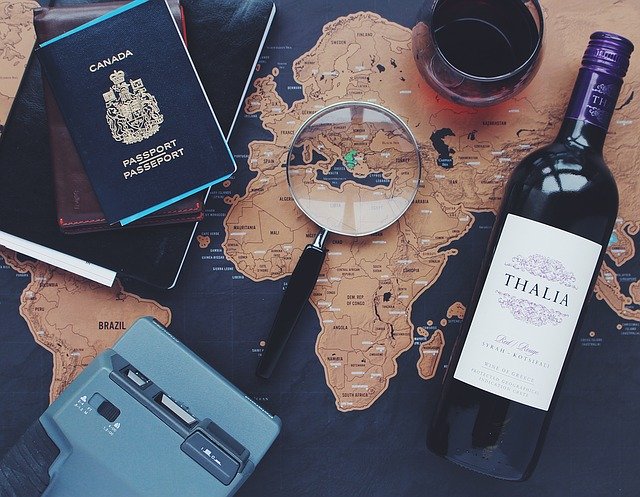
Explore hidden gems anywhere you go with these 5 tips. You will be surprised what you can find beyond the mainstream tourist attractions!
With the rising trend of travelling, many people seek for non-touristy spots to explore. Instead, they are looking for hidden gem locations that are supposedly only known by locals. In addition to the non-mainstream spots, finding undiscovered places creates an even more memorable experience. It doesn’t matter wherever you go. There are always off-the-beaten paths that you could follow into finding one yourself. Here are 5 tips that will inspire you to find hidden gem locations everywhere you travel!
Hidden gem locations are usually not so hidden after all. You can simply seek for blog posts or videos of the hidden gems that have been found by other people. If you are lucky, those places may still be not-so-known after those posts! Look especially for ones that are newly posted because the blogger usually tells how crowded the place is along with the tips on how to get to the spot. One of the sources of travelling inspirations is www.worldroamer.com.
Thanks to sites like WorldRoamer, planning a trip could not be easier. You can find some spots that you would like to visit. If you already have a couple of certain spots in mind that you want to visit, simply look deeper into the path you are about to follow. Perhaps, along the way, there are some locations that you may cross; from cities to towns, they probably have a hidden gem to find!
Of course, asking someone who has actually travelled to the place you are about to visit is the ultimate way. But, aside from asking your family, friend or some online travelling groups, you can ask the locals too. A way to do this is to blend in with the locals, such as using public transportation and asking those people if there is a recommended spot you can visit. After all, the locals know their cities best!
Slow travelling means you don’t have to rush your schedule or even over-planning everything. Give space for each of your plans so that you are flexible for any itinerary changes. This way, you will be more open for adventure rather than following the fully-packed schedule, allowing you to find more hidden gem along the way.
Wandering around aimlessly doesn’t mean you are wasting your travelling time; it means appreciating the new surroundings that might be new to you. Look at how the locals cross the street, try out a local restaurant that you think might be good, and have a day or two just to walk and bike around town so you will be exposed more to a non-tourist area. Don’t forget to bring your hotel’s card and GPS in case you actually get lost.
All the tips above are combining between preparing the trip well enough by doing extensive research about the place you are visiting, as well as making your schedule flexible enough so you will be able to hunt down even more hidden gems along the way. With a short amount of time, sometimes you’d want to rush out so you won’t miss out a lot of spots. Truthfully, rushing out means you might even miss out a lot of spots. So, maximise your travel by exploring a city beyond the tourist spots!
This is an example post, originally published as part of Blogging University. Enroll in one of our ten programs, and start your blog right.
You’re going to publish a post today. Don’t worry about how your blog looks. Don’t worry if you haven’t given it a name yet, or you’re feeling overwhelmed. Just click the “New Post” button, and tell us why you’re here.
Why do this?
The post can be short or long, a personal intro to your life or a bloggy mission statement, a manifesto for the future or a simple outline of your the types of things you hope to publish.
To help you get started, here are a few questions:
You’re not locked into any of this; one of the wonderful things about blogs is how they constantly evolve as we learn, grow, and interact with one another — but it’s good to know where and why you started, and articulating your goals may just give you a few other post ideas.
Can’t think how to get started? Just write the first thing that pops into your head. Anne Lamott, author of a book on writing we love, says that you need to give yourself permission to write a “crappy first draft”. Anne makes a great point — just start writing, and worry about editing it later.
When you’re ready to publish, give your post three to five tags that describe your blog’s focus — writing, photography, fiction, parenting, food, cars, movies, sports, whatever. These tags will help others who care about your topics find you in the Reader. Make sure one of the tags is “zerotohero,” so other new bloggers can find you, too.

 Jalanan_Indah